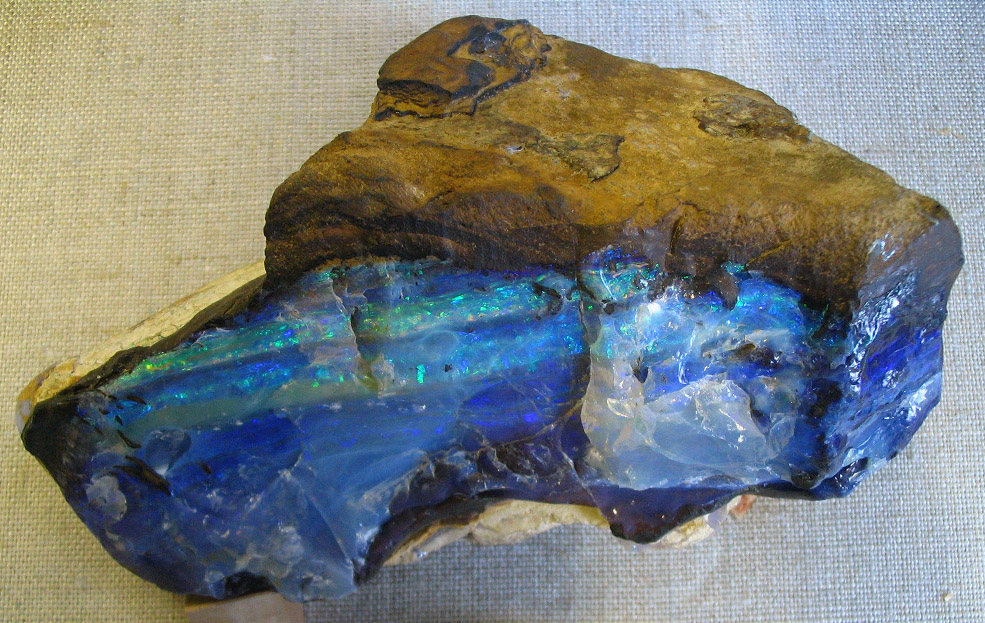
Photo: Unknown · Public domain · source
Opal
Rainbow fire in a drop of water
Rainbow fire in a drop of water
About Opal
Opal is like a captured rainbow in a drop of dew. This hydrated silica gel forms when water carries silica into cracks and voids and then slowly evaporates, leaving behind millions of microscopic spheres that scatter light into vivid flashes of blue, green, red and gold. Each opal is unique, with patterns reminiscent of galaxies, fire or ocean waves. Its watery origin and ever‑changing colors evoke intuition, creativity and emotional fluidity.
Metaphysical Properties
Chakras
Elements
Mohs Hardness
Opal has a Mohs hardness between 5 and 6.5:contentReference[oaicite:19]{index=19}. Its low hardness and poor toughness make it susceptible to scratches and impacts.
Handling: Handle opals carefully, keeping them away from dust (hardness 7+) and abrasive surfaces. Protect them from rapid temperature changes and dryness to prevent cracking or crazing:contentReference[oaicite:20]{index=20}.
Origins
- Australia
- Ethiopia
- Mexico
How to Use
These guidelines protect opal’s delicate structure and maintain its play of color. Opal’s water content and low hardness require gentle cleaning, avoidance of mechanical or thermal stress and careful storage to prevent cracking.
- Clean opal only with warm, mild soapy water and a soft brush or cloth; rinse thoroughly and dry immediately:contentReference[oaicite:21]{index=21}.
- Never use ultrasonic, steam or boiling water to clean opal; these methods can cause cracking or delamination:contentReference[oaicite:22]{index=22}.
- Avoid harsh chemicals, bleach or acids and protect opal from sudden temperature changes:contentReference[oaicite:23]{index=23}.
- Store opal separately in a padded box with a slightly humid environment to prevent dehydration and crazing:contentReference[oaicite:24]{index=24}.
- Do not soak opal doublets or triplets; wipe them gently with a damp cloth:contentReference[oaicite:25]{index=25}.
Care & Cleansing
Brief WaterRecommended
Warm soapy water is the only recommended substance for cleaning solid opals:contentReference[oaicite:26]{index=26}
Smoke clears energy without heat or moisture that could crack opal
Sound waves cleanse energetically without physical stress
Moonlight recharges opal gently without heat
Storing opal with a moist cloth helps maintain its water content and prevents crazing:contentReference[oaicite:27]{index=27}
Avoid
Salt and prolonged soaking can dehydrate opal and damage doublets/triplets
Direct sunlight and heat can dehydrate and crack opal; keep exposure brief
Storage
Store opals in padded boxes or cloth pouches in a cool, slightly humid environment. Keep them separate from harder gemstones and away from heaters or freezing temperatures.
Safety
Thermal sensitivity
criticalOpals can crack or craze when exposed to rapid temperature changes or direct heat:contentReference[oaicite:28]{index=28}.
Not edible
highOpals contain silica and water; do not place them in drinking water or ingest fragments.
Silica dust
highCutting or sanding opal produces silica dust that can harm the lungs. Use proper respiratory protection and ventilation.
Dehydration
mediumOpals may dry out and crack in low-humidity environments:contentReference[oaicite:29]{index=29}. Store them with a moist cotton pad to maintain moisture.
Opal is for external use only; do not ingest or expose to extreme conditions.
Shop Opal
We don't have opal in stock right now. Check back soon or browse our full collection.
Related Crystals
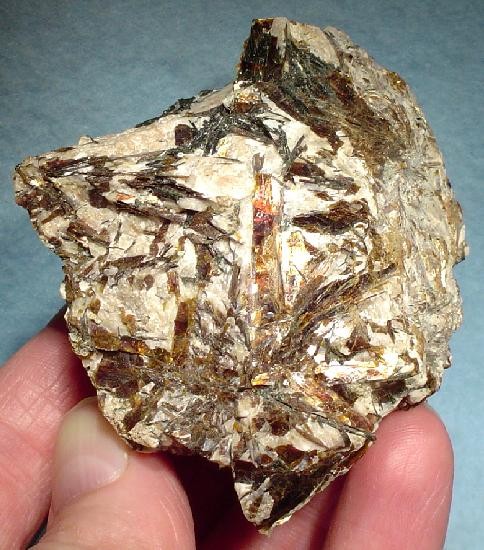
Astrophyllite
Starlight trapped in stone: illuminate inner truth, bridge realms, embrace cosmic self.
Auralite 23
Earth's memory crystallized: channel ancient wisdom, accelerate evolution, unite all frequencies.
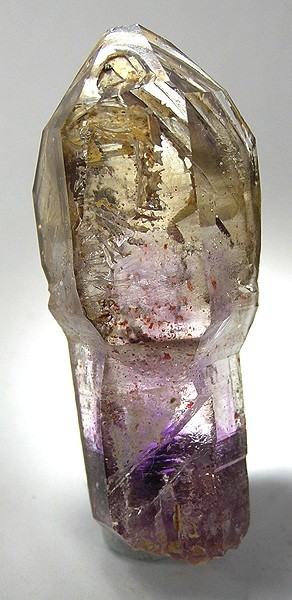
Enhydro Quartz
Ancient water keeper: connect to deep time, nurture your spirit, flow with patience.

Moonstone
Lunar luminescence of intuition and tenderness