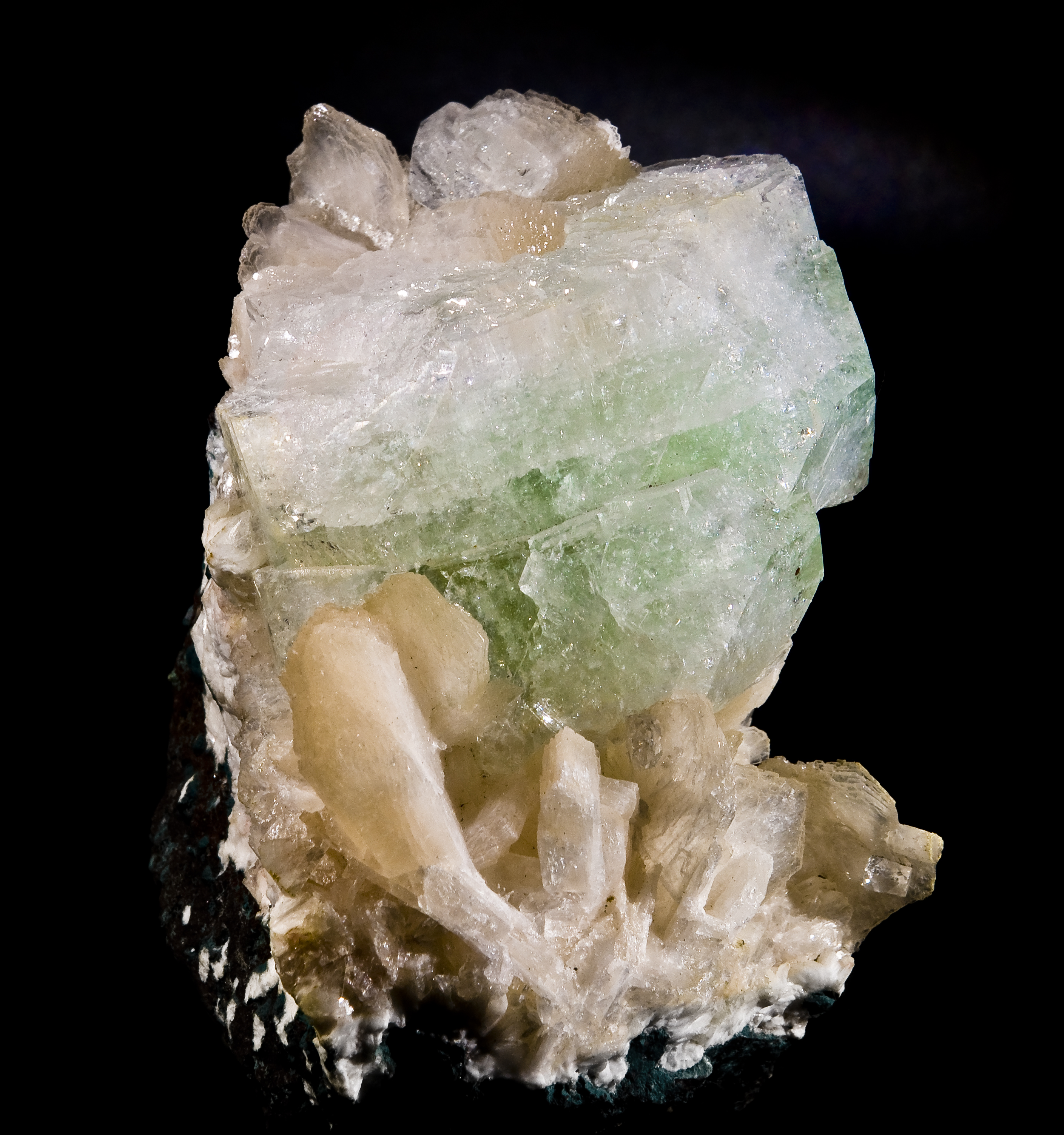
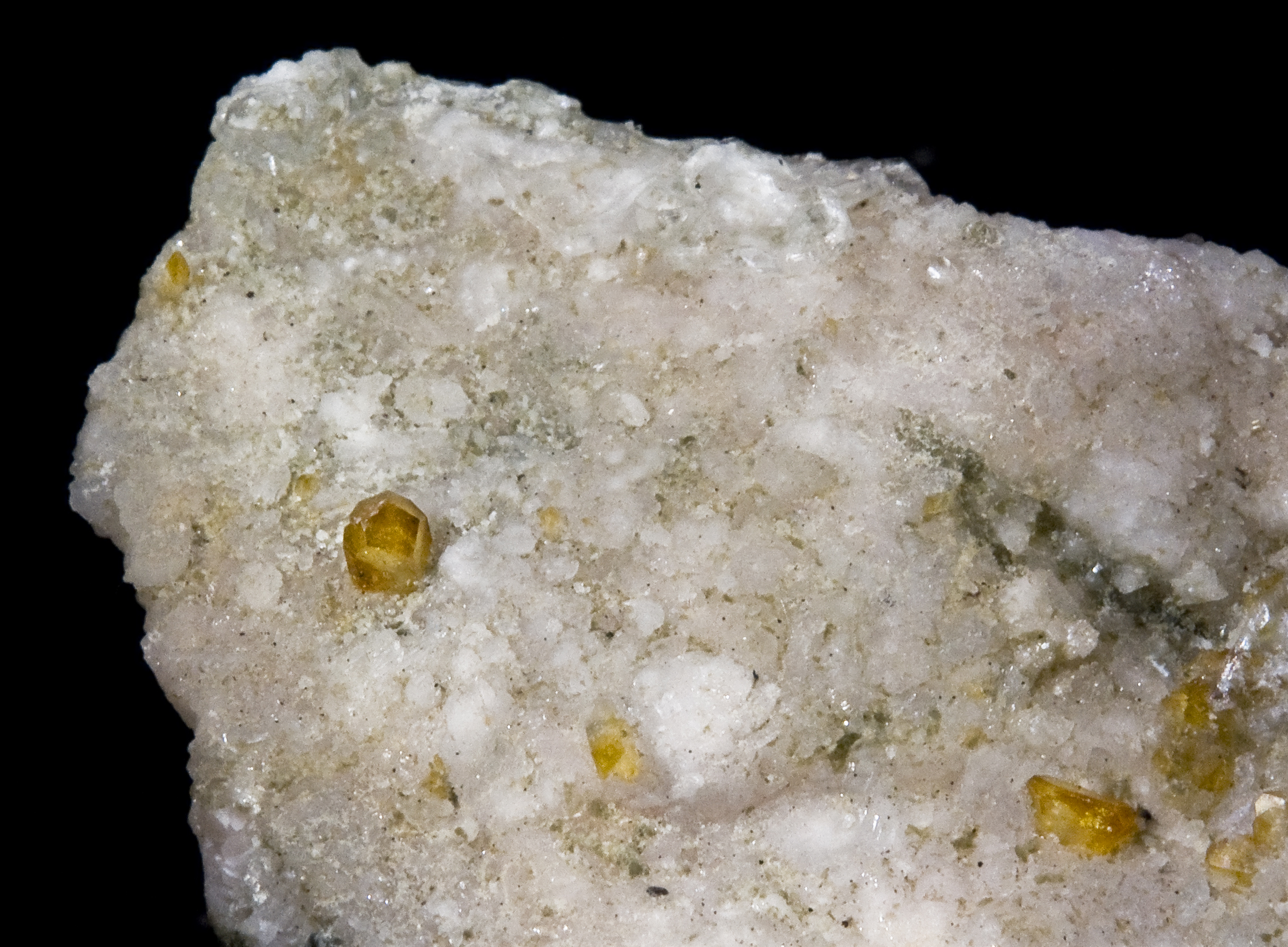
Opalite
Synthetic shimmer of optimism and youth
Synthetic shimmer of optimism and youth
About Opalite
Opalite is moonlight made by human hands. This man‑made glass, also called sea‑opal glass, is created by melting silicon dioxide and metal oxides to produce a milky iridescence. Under light it glows soft blue or peach, with a delicate opalescence that seems to shift like mist. Opalite carries the playful, optimistic energy of a child’s imagination, inviting us to see the world with fresh eyes.
Mohs Hardness
Opalite, being a form of opalescent glass, has a Mohs hardness between 5.5 and 6.5:contentReference[oaicite:32]{index=32}. It is softer than many gemstones and scratches easily.
Handling: Avoid dropping or knocking opalite against hard surfaces because it can chip like glass. Clean gently with mild soap and water and store away from harder gemstones.
Origins
- Laboratory
1 origin not shown on map.
How to Use
These guidelines protect opalite’s smooth surface and iridescent glow. Because it is man‑made glass, it is softer and more brittle than many crystals, requiring gentle handling and separate storage.
- Clean opalite with warm soapy water and a soft cloth; avoid abrasive materials or harsh chemicals:contentReference[oaicite:33]{index=33}.
- Store opalite separately in a soft pouch to prevent scratches from harder stones and metals:contentReference[oaicite:34]{index=34}.
- Handle opalite gently and avoid dropping or striking it; as a glass it can chip or crack easily.
- Limit exposure to extreme temperature changes; sudden heat or cold can cause fractures.
- Recharge opalite by placing it briefly under moonlight or soft sunlight; avoid prolonged UV exposure which may cause slight discoloration.
Care & Cleansing
Brief WaterRecommended
Warm water with mild soap effectively cleans opalite without damaging its surface:contentReference[oaicite:35]{index=35}
Smoke clears energy without moisture or abrasion
Sound vibrations cleanse energetically without physical contact
Brief sunlight recharges opalite, but extended exposure may cause yellowing
Moonlight reenergizes opalite and complements its gentle glow
Burying opalite in brown rice can absorb negative energy without scratching it
Avoid
Salt is abrasive and may scratch or dull the glass surface
Storage
Store opalite in a padded pouch or jewelry box away from harder stones. Keep it in a cool, dry place and handle with care to avoid chips or cracks.
Safety
Glass shards
highIf opalite breaks, its shards can be sharp and cause cuts. Handle broken pieces carefully and dispose of them safely.
Not edible
highOpalite is synthetic glass; do not place it in drinking water or ingest fragments.
Glass dust
mediumGrinding or cutting opalite produces fine glass dust that can irritate lungs. Use respiratory protection when working with raw pieces.
Thermal shock
mediumSudden temperature changes can crack opalite. Avoid placing it in hot water or near heat sources.
Opalite is for external use only; do not ingest or inhale glass shards.