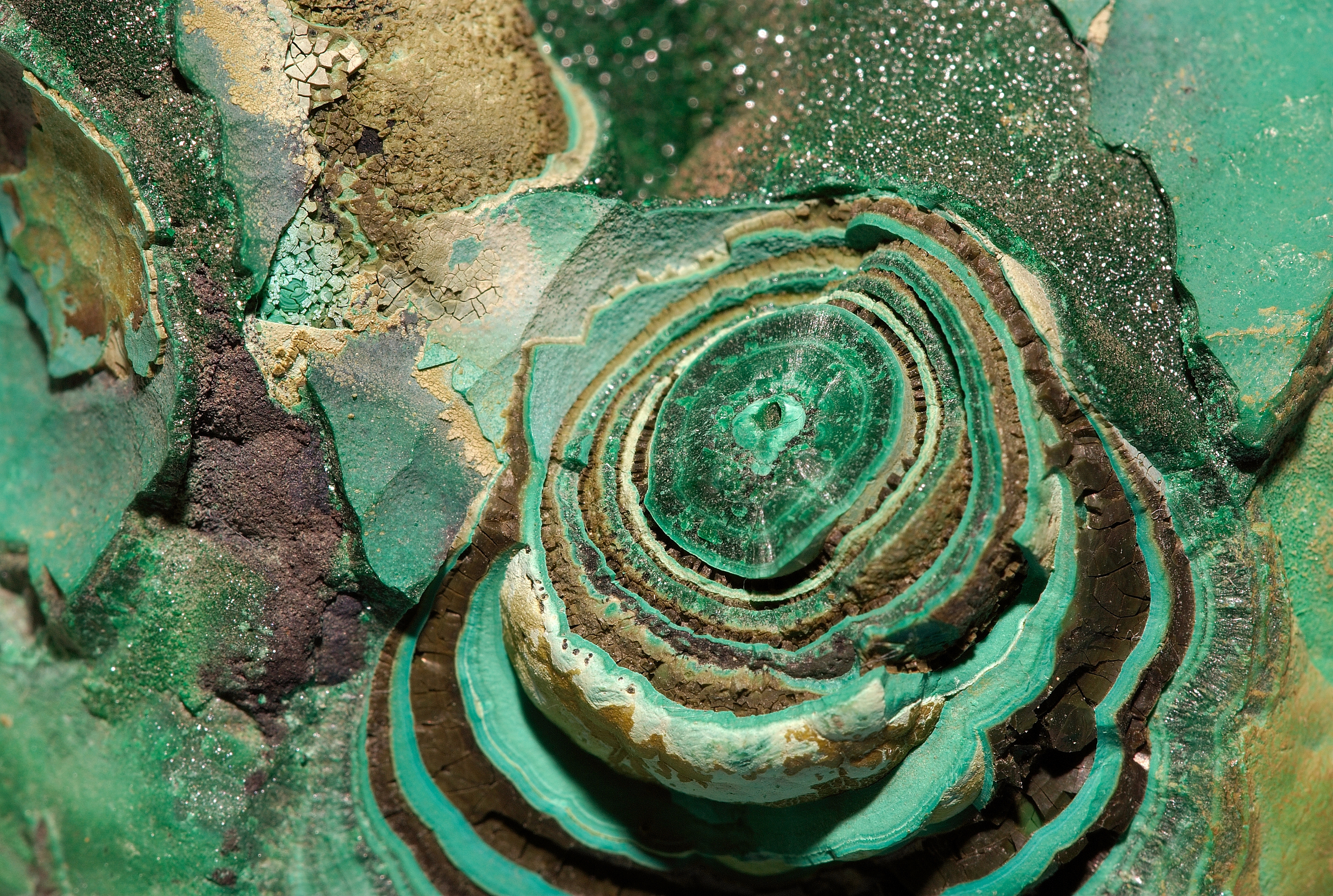
Photo: Luc Viatour · CC BY-SA 3.0 · source
Malachite
Stratified greens of growth and transformation
Stratified greens of growth and transformation
About Malachite
Malachite is a living tapestry of concentric rings and flowing bands in every shade of green, as if ancient copper-rich waters painted their memories into stone. Formed when groundwater seeps through copper deposits and leaves behind layers of carbonate, each curving stripe marks a cycle of growth like the rings in an old tree. Its polished surface gleams like wet leaves after rain, while raw specimens resemble miniature landscapes of mossy hills and dark forest pools. Energetically, malachite has long been seen as a companion of transformation. A patient guide that absorbs stagnant patterns and encourages fresh growth, like the unfolding of a fern frond. It carries a grounded yet vibrant feel, urging the wearer to evolve with the confidence of a forest that renews itself after a storm.
Metaphysical Properties
Mohs Hardness
Malachite has a Mohs hardness of about 3.5 to 4, placing it among the softer gem materials. Its relative softness means it can be scratched by most common minerals and even by household dust.
Handling: Because of its low hardness and porous nature, malachite requires gentle handling. Avoid abrasion, harsh chemicals or ultrasonic cleaners, and protect the stone from acids, heat, and long exposure to water. Store it separately from harder gems to prevent scratching and avoid contact with sweat or oils which can dull the polish.
Origins
- Democratic Republic of Congo
- Russia
- USA
- Australia
How to Use
These guidelines protect malachite’s physical integrity and preserve its polished surface and vibrant color. Water, chemicals and high temperatures can cause irreversible damage or release copper compounds, so gentle handling and non‑abrasive cleansing methods are essential. Proper storage prevents scratching and moisture damage, while energetic cleansing preserves the stone’s metaphysical qualities.
- Do not immerse malachite in water or salt, as it is porous and can absorb moisture, weakening its structure and leaching copper compounds.
- Clean gently with a soft cloth dampened with lukewarm water and a tiny amount of mild soap, then dry immediately; avoid high-pressure water and prolonged soaking.
- Never use ultrasonic or steam cleaners; the vibration or heat can fracture or discolor the stone.
- Keep malachite away from acids and harsh chemicals, as they can damage its surface.
- Store malachite separately in a soft pouch or lined box and avoid humidity to prevent scratches and tarnish.
- Recharge and cleanse malachite with sage smoke, sound, or moonlight; avoid sunlight which may fade its color.
Care & Cleansing
No WaterRecommended
Passing malachite through sage or other herbal smoke gently clears stagnant energy without physical contact
Sound vibrations cleanse energy without touching the stone
Gentle moonlight recharges malachite without heat or ultraviolet exposure
Placing malachite on a selenite or clear quartz slab overnight helps clear and recharge its energy
Avoid
Malachite is porous and can absorb water, which may weaken its structure and leach copper into the water
Salt is abrasive and can scratch or dull malachite’s surface
Direct sunlight can fade malachite’s color and dry out its surface
Storage
Store malachite in a dry, cushioned pouch or box away from harder stones. Keep it out of humid bathrooms and direct sunlight, and wrap it when traveling to prevent abrasion and impact.
Safety
Copper toxicity
criticalMalachite is a copper carbonate mineral. Ingesting malachite or drinking water in which it has soaked can introduce copper compounds, which are toxic in significant amounts. Never place malachite in drinking water or prepare gem elixirs from it.
Dust inhalation
criticalCutting or sanding malachite produces fine dust that contains copper carbonate; inhaling this dust can irritate the lungs and lead to heavy-metal exposure. Always wear appropriate protective equipment and work in a well‑ventilated area when shaping or polishing malachite.
Skin sensitivity
mediumProlonged contact with sweat or acids may cause malachite to release copper compounds that can irritate sensitive skin or discolor the stone; wash hands after handling raw specimens.
Water contamination
mediumLeaving malachite in water can leach copper into the water, which is harmful to aquatic life; dispose of any water used to rinse malachite responsibly and do not reuse it for drinking or watering plants.
Malachite is for external use only; do not ingest or use it to make gem elixirs.
Shop Malachite
We don't have malachite in stock right now. Check back soon or browse our full collection.
Related Crystals
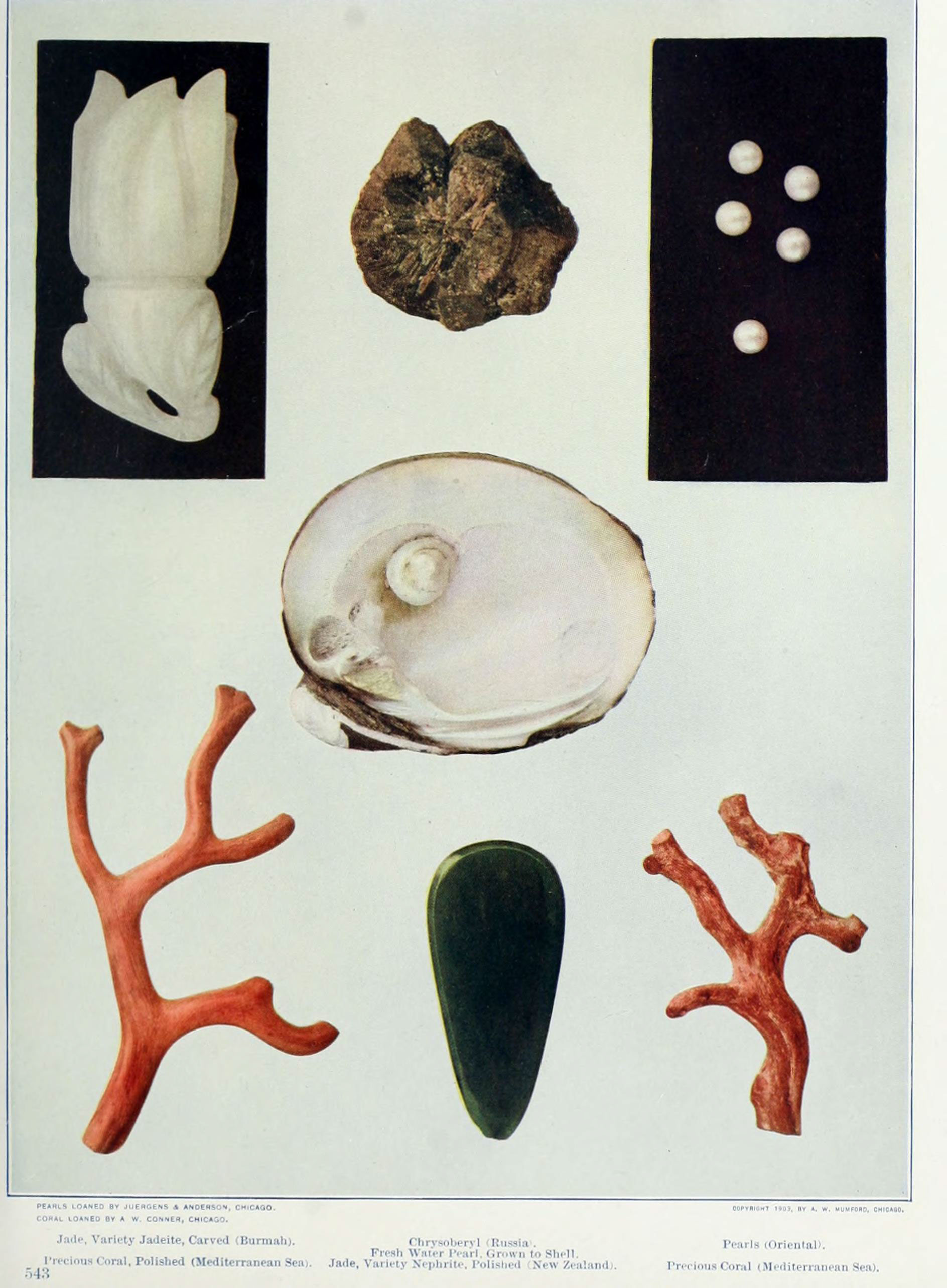
Coral Jade
Ocean’s memory in stone: anchor longevity, ride the tides, honor transformation.
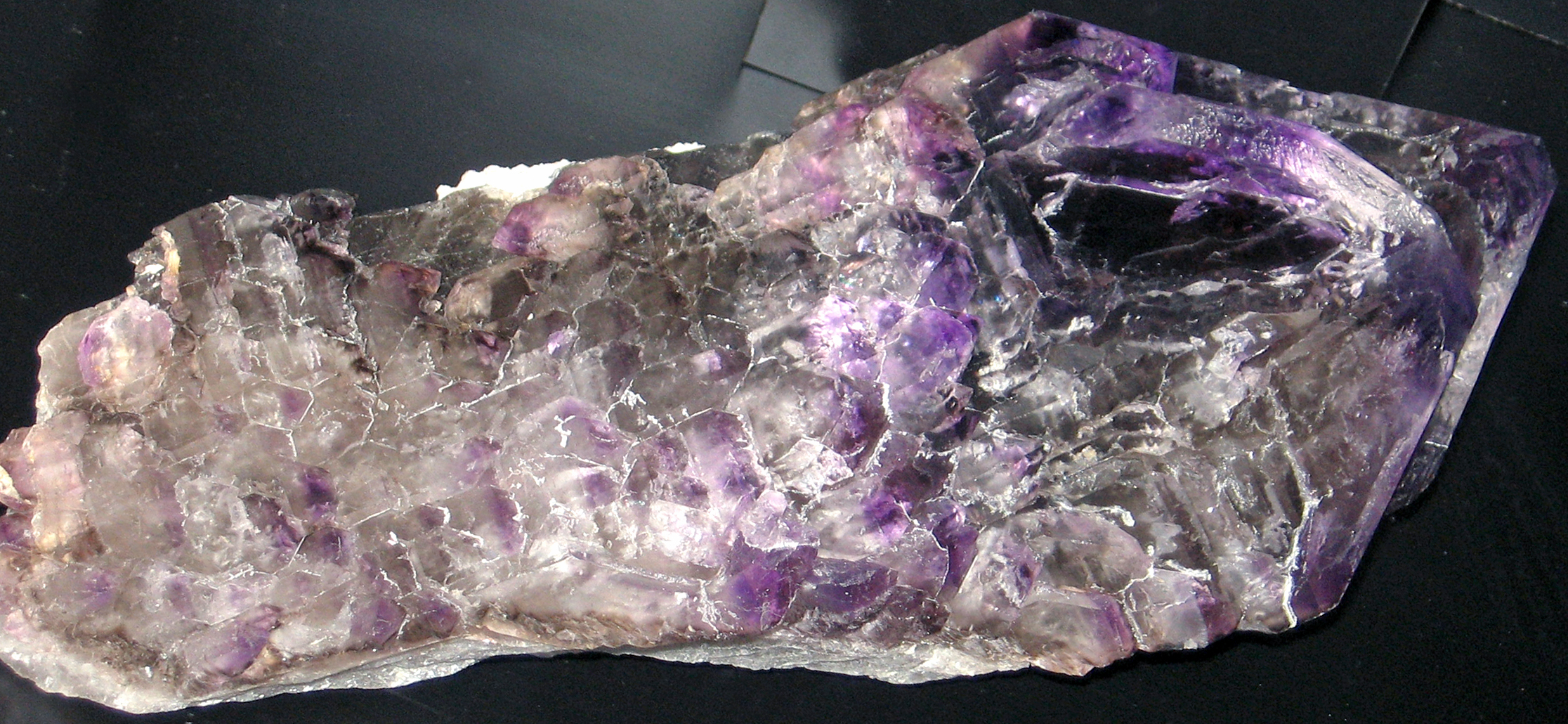
Green Amethyst
Reborn from fire: embrace metamorphosis, soften passion to wisdom, carry forest dawn within.
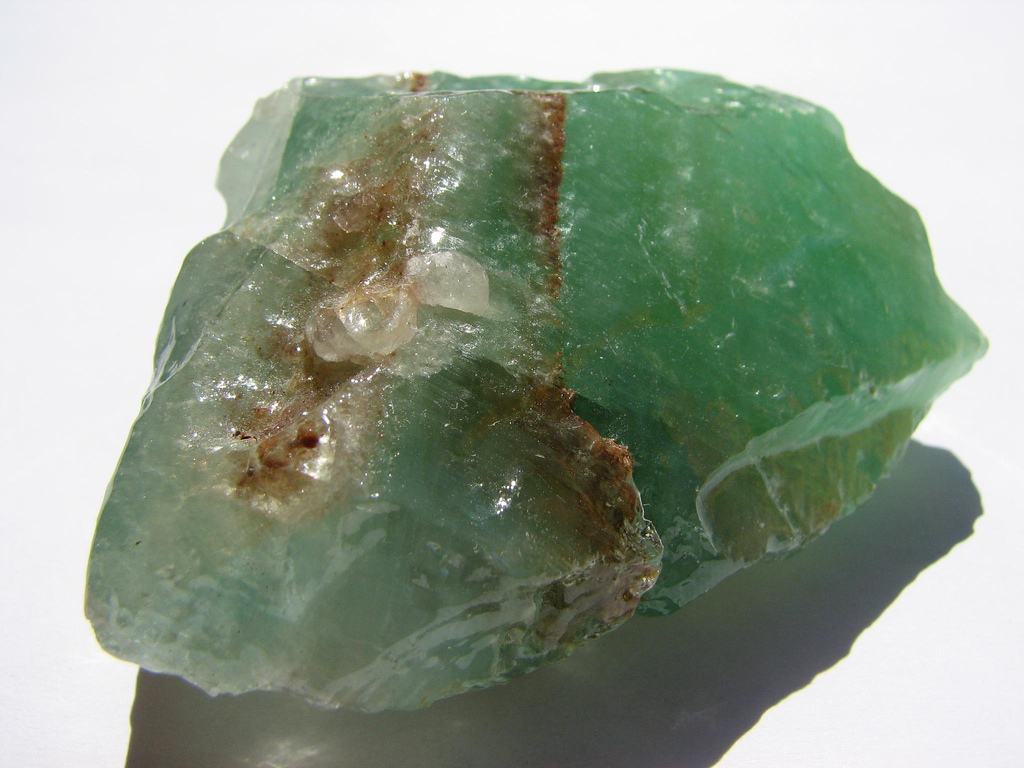
Green Calcite
Soft meadow in mineral form: release gently, cultivate new growth, bathe in soft renewal.
Kambaba Jasper
Ancient earth memory: ground in stillness, connect to cycles, find patience in the deep.