
Mookaite
Desert hues of courage and grounded exploration
Desert hues of courage and grounded exploration
About Mookaite
Mookaite jasper is a canvas of earthen reds, ochres and creams painted by ancient seas. This stone forms from the silica-rich muds of Western Australia’s Mooka Creek, where the skeletons of tiny marine organisms were replaced by quartz over millions of years. Its polished surface reveals swirls and bands like a desert landscape seen from above. Mookaite carries both the stability of jasper and the adventurous spirit of the land, encouraging you to explore new horizons while staying rooted in your center.
Mohs Hardness
With a Mohs hardness around 6 to 7, mookaite is relatively hard and durable, similar to other forms of jasper or chalcedony.
Handling: Mookaite resists everyday scratches but can still chip if dropped or struck. Keep it away from harsh chemicals and acids. Dry it thoroughly after cleaning and store it separately from harder gems to prevent surface scuffs.
Origins
- Australia
How to Use
These guidelines ensure mookaite retains its polished surface and bold colors. Although it has good hardness, it is still susceptible to chemicals, thermal shock and physical impact. Gentle cleaning and separate storage preserve its beauty and energy.
- Clean mookaite using lukewarm water and a mild soap; gently scrub and dry immediately to prevent any iron oxides from reacting with moisture.
- Do not use ultrasonic or steam cleaners because the stone contains natural fractures that may expand under vibrations or high heat.
- Avoid prolonged exposure to acids, bleaches or household chemicals which can etch or discolor the surface.
- Store mookaite separately in a soft pouch to avoid contact with harder stones that could scratch it.
- Recharge by placing it briefly in sunlight, moonlight, or burying it in soil; do not overheat the stone.
Care & Cleansing
Brief WaterRecommended
Mookaite’s quartz composition tolerates water; a rinse with mild soap removes dirt and recharges its energy
A brief salt bath can cleanse mookaite, but prolonged soaking may react with iron within the stone
Smoke clears residual energy without affecting the stone’s physical structure
Sound vibrations cleanse gently and are safe for mookaite
Short exposure to sunlight energizes mookaite and enhances its earthy tones
Moonlight recharges the stone without heat or ultraviolet radiation
Placing mookaite on selenite helps cleanse stagnant energy without abrasion
Storage
Keep mookaite in a soft pouch or lined box away from harder gemstones. Avoid humid or chemically reactive environments and dry thoroughly after cleaning.
Safety
Not edible
highMookaite is a form of silica; ingesting fragments can be harmful. Do not use it to make elixirs or in food preparation.
Silica dust
mediumCutting or grinding mookaite produces silica dust which may irritate the lungs. Wear protective gear and ensure adequate ventilation when shaping the stone.
Chipping hazard
lowThough fairly hard, mookaite can chip or break if dropped onto a hard surface. Handle it with care and avoid sudden impacts.
Mookaite is for external use only; do not ingest or inhale its dust.
Shop Mookaite
View all Mookaite→![Brecciated Jasper Seal Carving [BRJ-SEL-001]](https://cdn.shopify.com/s/files/1/0716/2511/3789/files/main_81e5a5ed-a83c-4fdd-a4b5-2bf1c25aa681.jpg?v=1790984815&width=1920)
![Mookaite Money Toad [MOOK-MTD-005]](https://cdn.shopify.com/s/files/1/0716/2511/3789/files/90-20260715_181923.jpg?v=1784334056&width=1920)

Related Crystals

Red Jasper
Elephant Skin Jasper
Wisdom in stone: embody patience, honour ancient strength, move with grace.
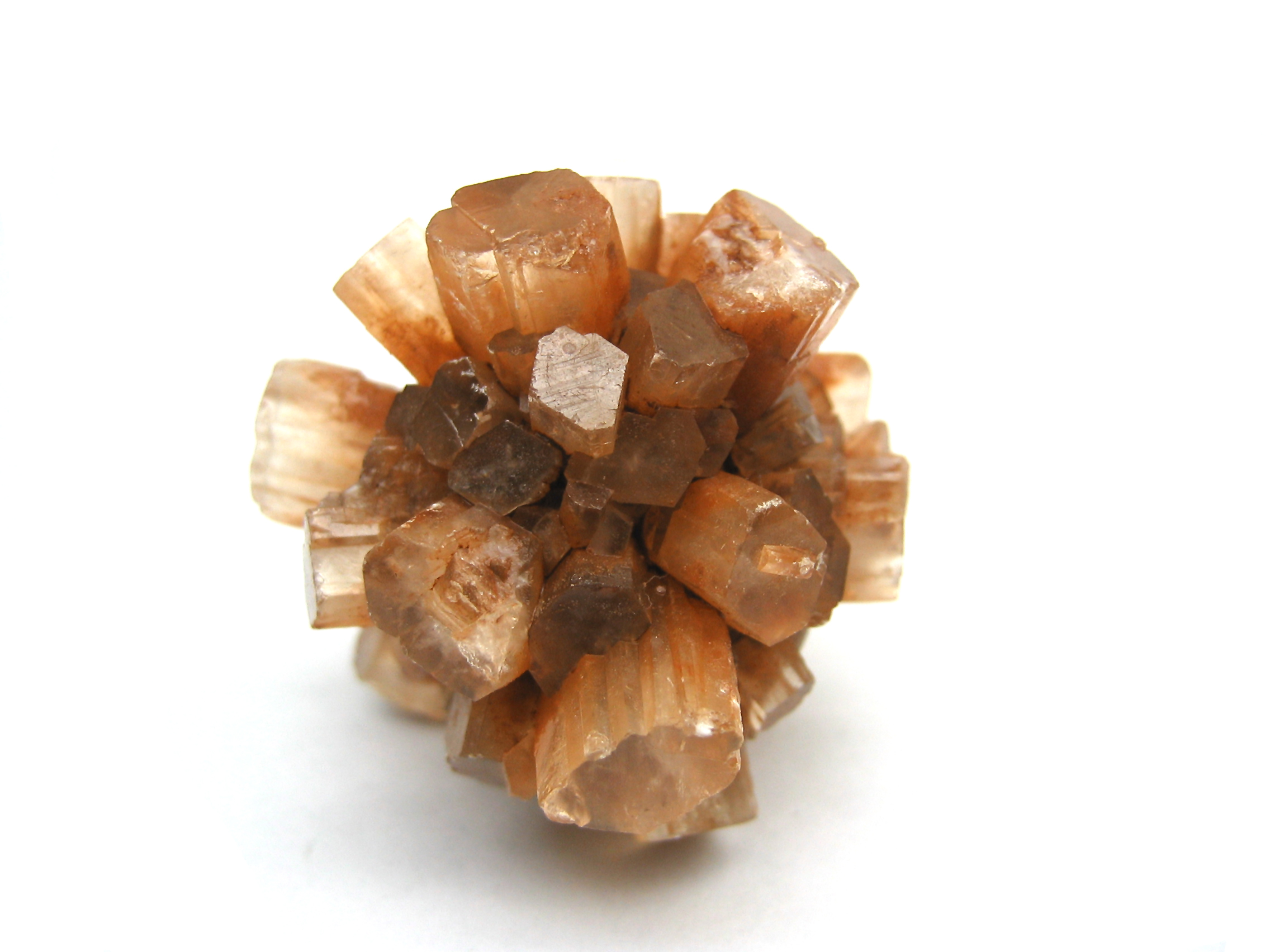
Aragonite
Ocean's patience crystallized: ground scattered energy, embrace transformation, flow with change.
Dendritic Sage Jasper
Stone of quiet forests: embrace stillness, cultivate patience, see hidden patterns.