Obsidian
Glass of volcanic night and truth seeking
Glass of volcanic night and truth seeking
About Obsidian
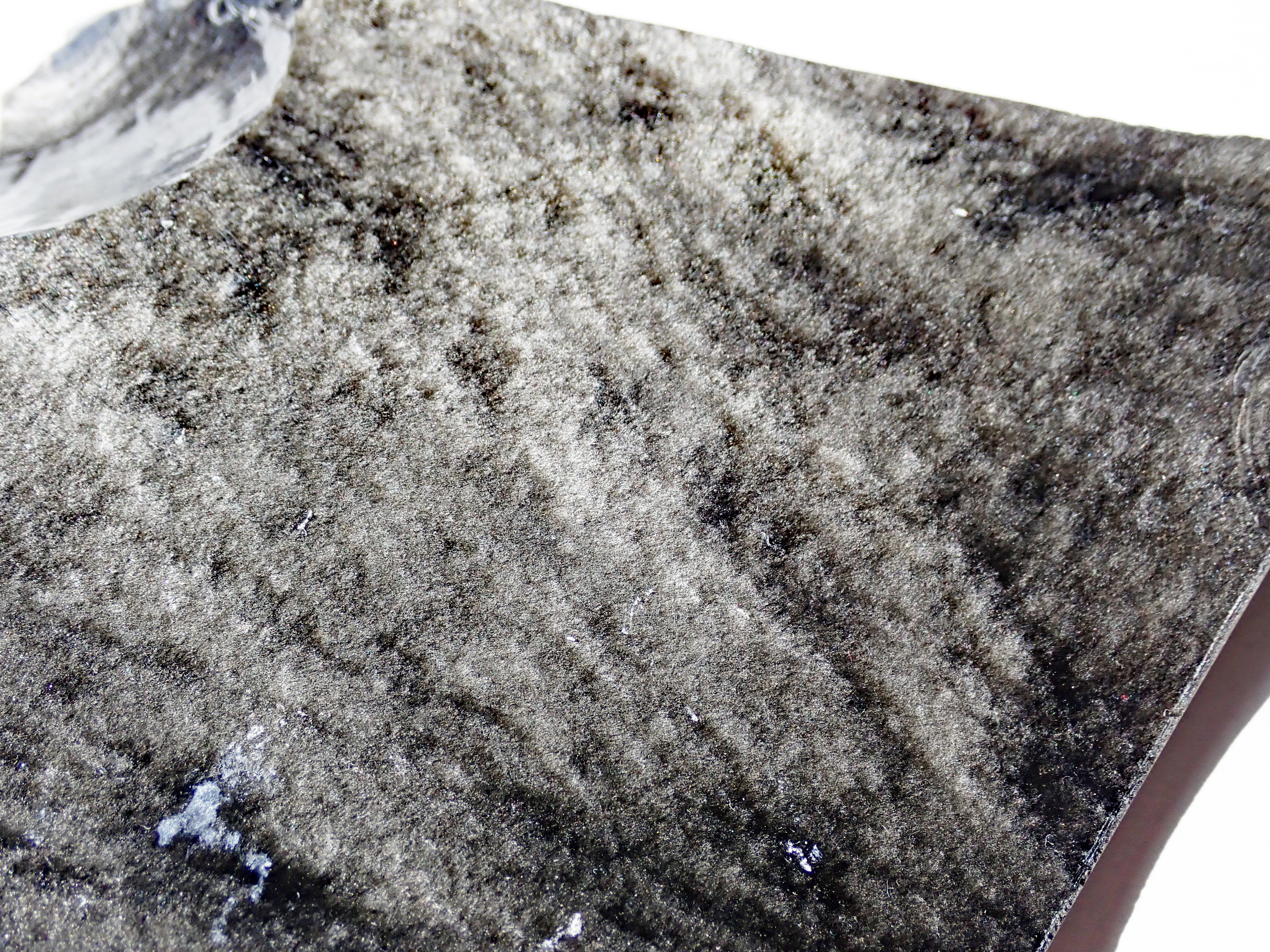
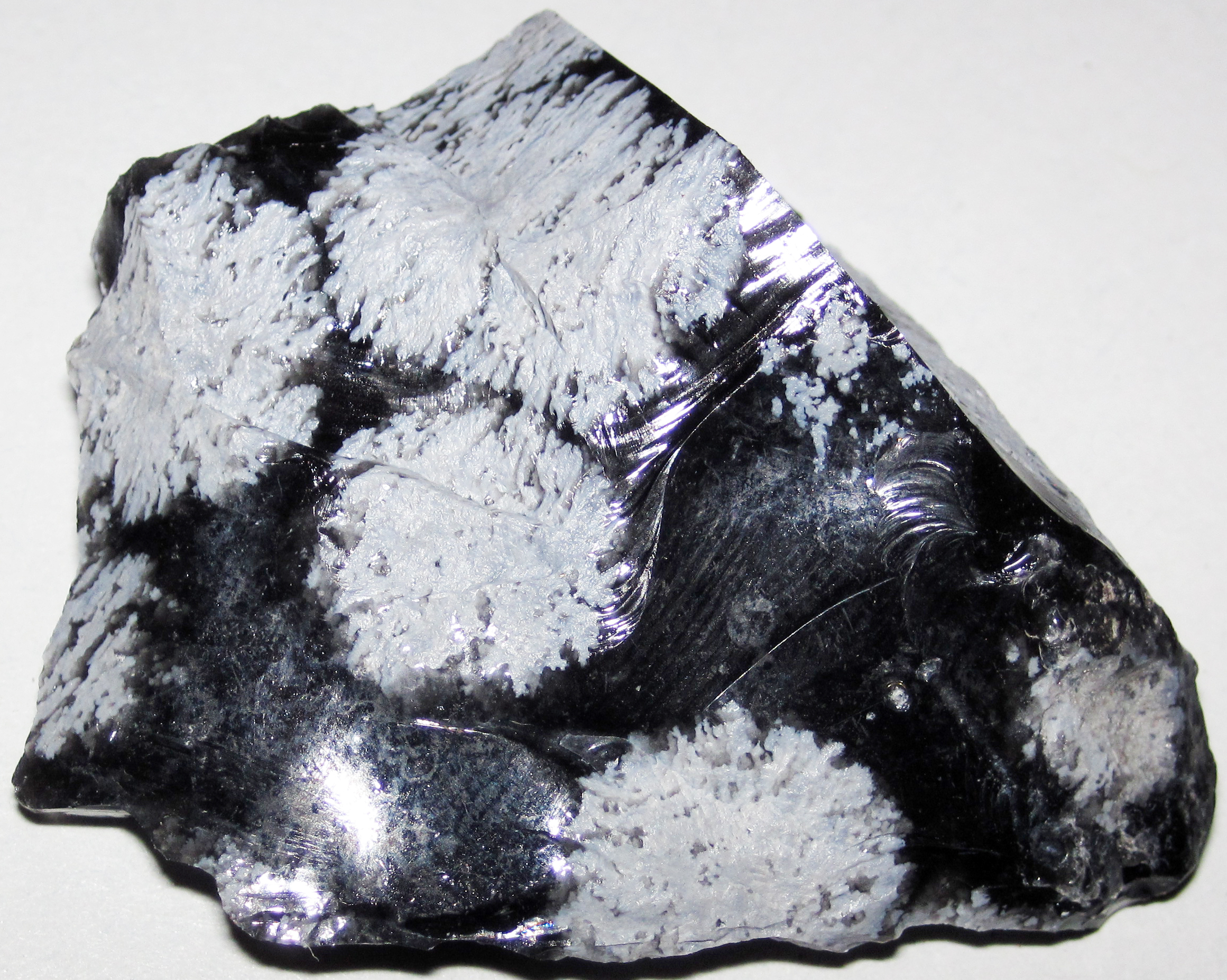
Obsidian is volcanic glass frozen in time. When viscous lava cooled so rapidly that no crystals could form, it solidified into this glossy black material with a conchoidal fracture. Some varieties contain tiny white clusters that create snowflake patterns, while others flash with iridescent rainbows or golden sheen. Its smooth surface reflects like a dark mirror, inviting deep self reflection and acting as a shield against negativity. Historically used for cutting tools and mirrors, obsidian still carries the power of transformation and truth seeking.
Metaphysical Properties
Mohs Hardness
Obsidian has a Mohs hardness of about 5 to 5.5 and behaves like glass: it is hard enough to scratch many materials but brittle and prone to chipping:contentReference[oaicite:11]{index=11}.
Handling: Handle obsidian carefully to avoid breaking its edges. Clean with mild soap and water only. Do not subject it to thermal shock or ultrasonic vibrations. Store in a soft case away from harder objects.
Origins
- Mexico
- USA
- Italy
- Iceland
How to Use
These guidelines protect obsidian from breakage and preserve its glassy surface. Gentle cleaning and avoiding thermal shock prevent fractures. Proper storage prevents scratches and accidental cuts.
- Clean obsidian with warm soapy water and a soft cloth; rinse thoroughly to remove residue and polish dry:contentReference[oaicite:12]{index=12}.
- Never use steam or boiling water to clean obsidian; sudden temperature changes can cause cracks:contentReference[oaicite:13]{index=13}.
- Do not use ultrasonic cleaners; the vibration can propagate fractures through the glassy structure:contentReference[oaicite:14]{index=14}.
- Store obsidian in a soft pouch away from harder gemstones because its surface can scratch and its edges can chip:contentReference[oaicite:15]{index=15}.
- Use caution when handling raw obsidian pieces; their edges can be razor sharp.
Care & Cleansing
Brief WaterRecommended
Obsidian withstands water; a gentle rinse with mild soap cleans dirt and oils:contentReference[oaicite:16]{index=16}
A short salt bath can energetically cleanse obsidian, but prolonged contact may leave mineral deposits or tiny scratches
Smoke from sage or incense clears negative energy without moisture or heat
Sound vibrations cleanse obsidian energetically without contact
Moonlight recharges obsidian and resonates with its reflective properties
Burying obsidian in earth grounds its energy and helps discharge absorbed negativity
Avoid
Direct sunlight can heat obsidian and risk thermal shock or surface fading
Storage
Store obsidian in a padded pouch or lined box away from harder stones. Keep it in a cool place and handle with care to avoid chipping.
Safety
Sharp edges
highBroken or raw obsidian has extremely sharp edges that can cut skin easily. Handle pieces carefully and avoid leaving them where they could injure someone.
Glass dust
highCutting or grinding obsidian produces fine glass dust that can irritate the lungs. Wear respiratory protection and ensure adequate ventilation when working with the stone.
Not edible
mediumObsidian is volcanic glass and should never be used to make gem elixirs or placed in water meant for drinking.
Thermal shock
mediumExposure to high heat or sudden temperature changes can cause obsidian to crack. Avoid leaving it near heaters, in direct sunlight or in boiling water.
Obsidian is for external use only; do not ingest or inhale glass dust.
Shop Obsidian
View all Obsidian→![Obsidian Carving [OBS-CAR-002]](https://cdn.shopify.com/s/files/1/0716/2511/3789/files/main_bc1f7b92-5bde-4660-827d-acf714ce6a7b.jpg?v=1791579930&width=1920)
Spooky Obsidian Witch Finger Carving | Black Crystal Halloween Decor | Gothic Gemstone Finger
![Gold Sheen Obsidian Sphere [GSO-SPH-006]](https://cdn.shopify.com/s/files/1/0716/2511/3789/files/main_11e41dc8-835f-4588-a829-2f85e8694c65.jpg?v=1791579914&width=1920)
Large Gold Sheen Obsidian Sphere | Golden Sheen Crystal Ball | Opt R
![Gold Sheen Obsidian Sphere [GSO-SPH-005]](https://cdn.shopify.com/s/files/1/0716/2511/3789/files/main_61248bb3-d4d1-4679-800a-cf3a5b2de71f.jpg?v=1791579899&width=1920)
Subtle Shimmer Gold Sheen Obsidian Sphere | Black Crystal Ball | Opt P
![Gold Sheen Obsidian Sphere [GSO-SPH-004]](https://cdn.shopify.com/s/files/1/0716/2511/3789/files/main_9aa0ee19-bec8-4924-a30c-2b94dd01e5b9.jpg?v=1791579887&width=1920)
Glossy Gold Sheen Obsidian Sphere | Golden Flash Crystal Ball | Opt O
![Obsidian Home Decor [OBS-HOM-003]](https://cdn.shopify.com/s/files/1/0716/2511/3789/files/main_451d4513-6b73-4f6b-b122-9da511880b77.jpg?v=1791578883&width=1920)
Ornate Handheld Obsidian Mirror | Black Obsidian Scrying Mirror | Labradorite Accent | Opt Q
![Obsidian Bird Carving [OBS-BRD-006]](https://cdn.shopify.com/s/files/1/0716/2511/3789/files/main_364496ff-aaba-43aa-9436-aad9927a6bd6.jpg?v=1790996764&width=1920)