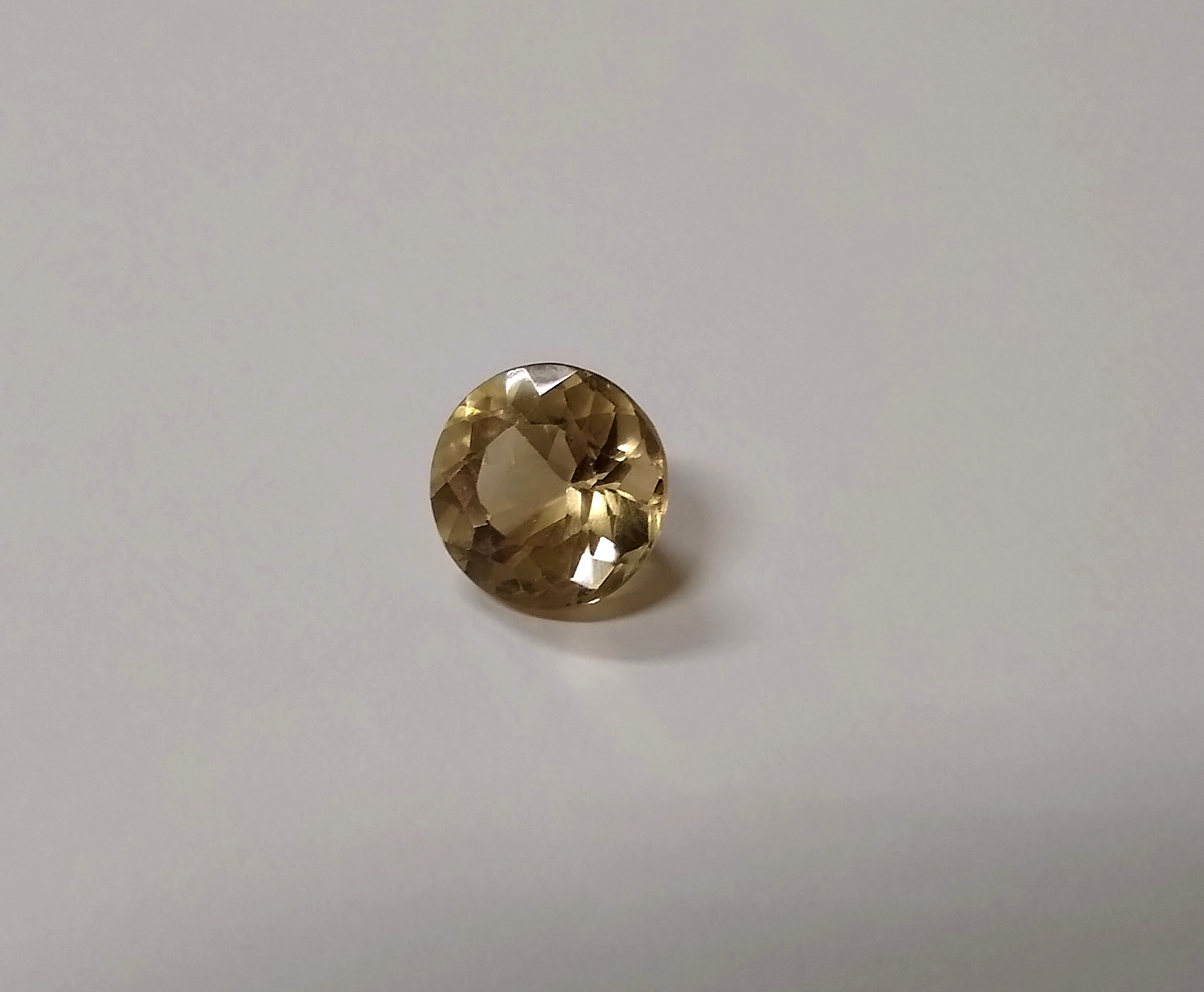
Pyrite
Gleaming cubes of confidence and manifestation
Gleaming cubes of confidence and manifestation
About Pyrite
Pyrite, known as fool’s gold, forms gleaming cubic crystals with striated faces that reflect light like tiny mirrors. This iron sulphide mineral grows in sedimentary and igneous environments, often in perfect cubes that feel like treasures from a miner’s dream. Its metallic sheen ranges from brass-yellow to bronze, sparkling like sunlight on gold but with a more rugged, earthy energy. Pyrite is associated with confidence and manifestation, inspiring the courage to turn ideas into reality.
Metaphysical Properties
Mohs Hardness
Pyrite has a Mohs hardness of about 6 to 6.5:contentReference[oaicite:23]{index=23}, making it relatively hard but brittle and prone to breaking under stress.
Handling: Although pyrite is moderately hard, its brittleness means sharp blows can shatter it. Avoid dropping or striking pyrite. Keep it dry to reduce the risk of rusting, and store it separately from harder stones.
Origins
- Spain
- Peru
- USA
- Italy
- Mexico
How to Use
These guidelines protect pyrite’s metallic sheen and structure. Moisture can lead to oxidation, and harsh vibrations can cause the brittle crystals to crack. Quick rinses and dry storage preserve its luster.
- Clean pyrite by rinsing briefly with lukewarm water and gently scrubbing with a soft brush; dry thoroughly to prevent tarnish:contentReference[oaicite:24]{index=24}.
- Do not soak pyrite or leave it in water; prolonged moisture can cause oxidation and rust.
- Avoid harsh chemicals and ultrasonic cleaners; pyrite is brittle and may crack under vibration:contentReference[oaicite:25]{index=25}.
- Store pyrite in a dry place, ideally with silica gel packs, to reduce humidity and prevent rusting.
- Recharge pyrite with sage smoke, sound or brief sunlight; avoid extended exposure to moisture.
Care & Cleansing
Brief WaterRecommended
A quick rinse removes dust, provided the stone is dried immediately:contentReference[oaicite:26]{index=26}
Smoke clears energy without moisture or vibration
Sound vibrations cleanse without physical contact
Brief sunlight reenergizes pyrite but avoid long exposure which can heat and tarnish the surface
Moonlight recharges pyrite without heat or moisture
Burying pyrite in dry rice overnight can draw out moisture without scratching it
Avoid
Salt and prolonged moisture can accelerate oxidation and rust
Storage
Store pyrite in a dry, sealed container with desiccants to reduce humidity. Keep it separate from acidic materials and away from high traffic areas to prevent dropping.
Safety
Sulphide content
highPyrite is iron sulfide; ingesting fragments or using it to make elixirs can introduce sulfur compounds into the body.
Dust inhalation
mediumCutting or grinding pyrite produces dust that may contain iron and sulfur; wear a mask and ensure ventilation.
Brittleness
mediumPyrite can shatter if struck. Handle crystals carefully and do not subject them to heavy impact.
Rust risk
mediumProlonged exposure to moisture can cause pyrite to oxidize and form rust. Keep it dry.
Pyrite is for external use only; do not ingest or inhale dust.
Shop Pyrite
View all Pyrite→
Mini Dachshunds | Gemstone Dog Figurines | Pick Your Crystal

Cute Sitting Puppies with Bones | Gemstone Dog Figurines | Pick Your Crystal

Elegant Sitting Cats | Gemstone Cat Figurines | Pick Your Crystal